
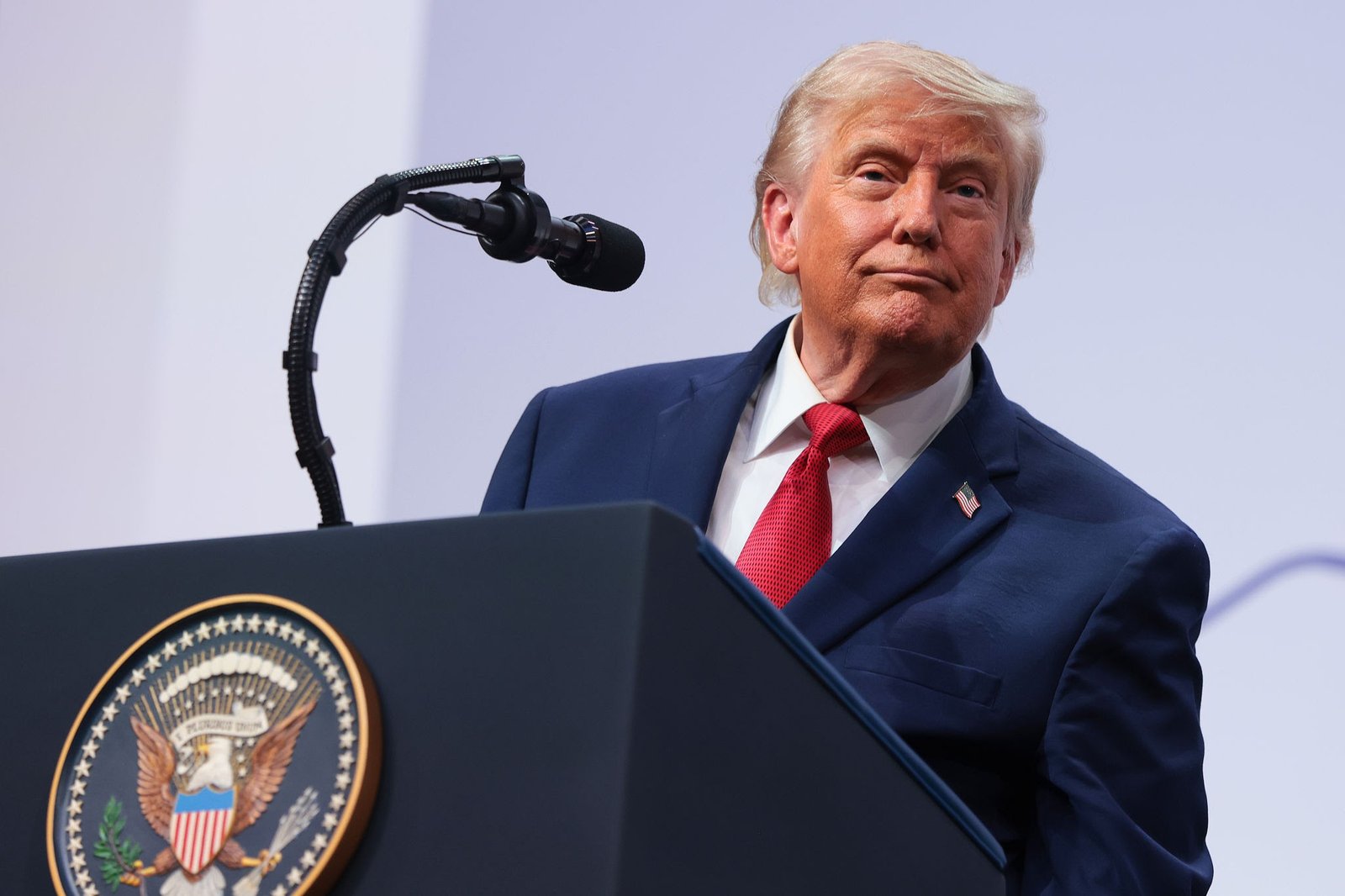
Only 33% of those surveyed stated they were satisfied with Donald Trump’s performance as president.
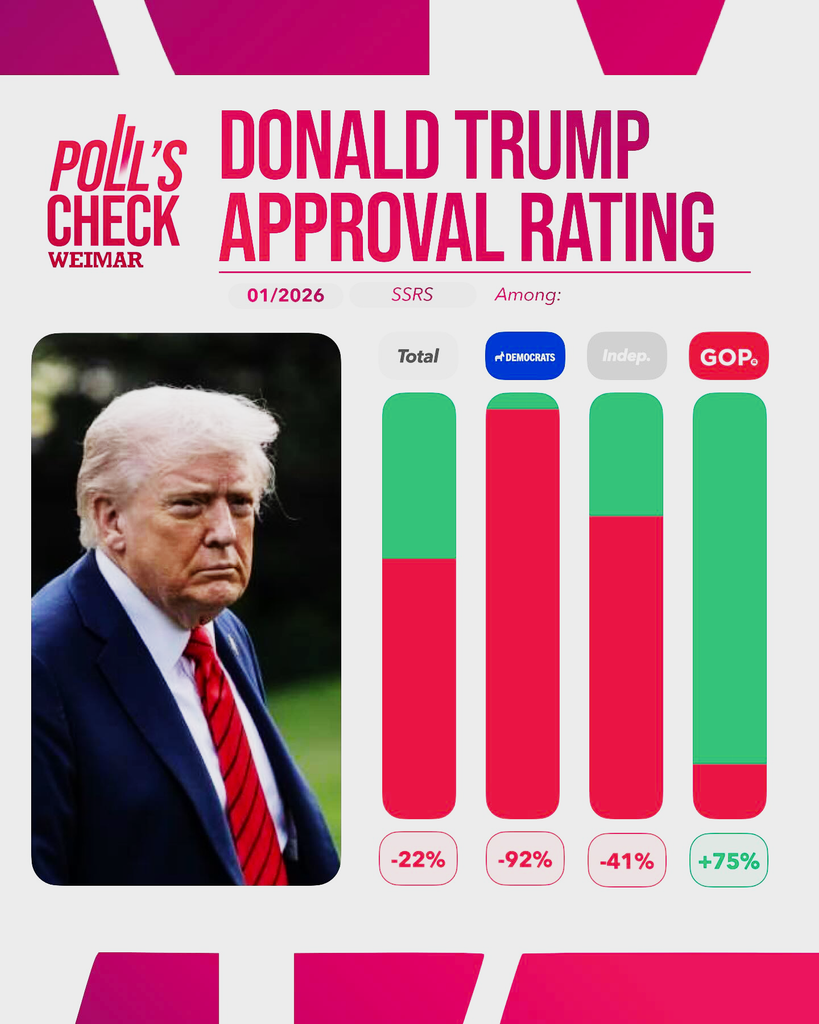
According to a recent Reuters/Ipsos poll that ended on Monday, President Donald Trump’s approval rating has dropped to the lowest point of his presidency.
In the four-day survey, just 33 percent of participants expressed approval of Trump’s performance in the White House, down from 35 percent, while 64 percent expressed disapproval.
Trump’s approval rating has tied the lowest point of his previous tenure, which was attained in December 2017, and is currently worse than it has ever been during his current term.
Just under half the country approved of his presidency when he returned to the White House in 2025, but Trump’s popularity took a hit after he ordered strikes on Iran alongside Israel.
The ensuing conflict paralyzed a fifth of the global oil trade, triggering a surge in the price of gasoline that is weighing on U.S. households – and on Trump’s Republican allies defending congressional majorities in November midterm elections.
Trump first promised that the confrontation with Iran would take a few weeks. Trump ran on a platform of controlling inflation and avoiding protracted conflicts. However, even as the fighting has subsided, Iran has shown tenacity and managed to keep the oil trade through the Strait of Hormuz mostly under control.
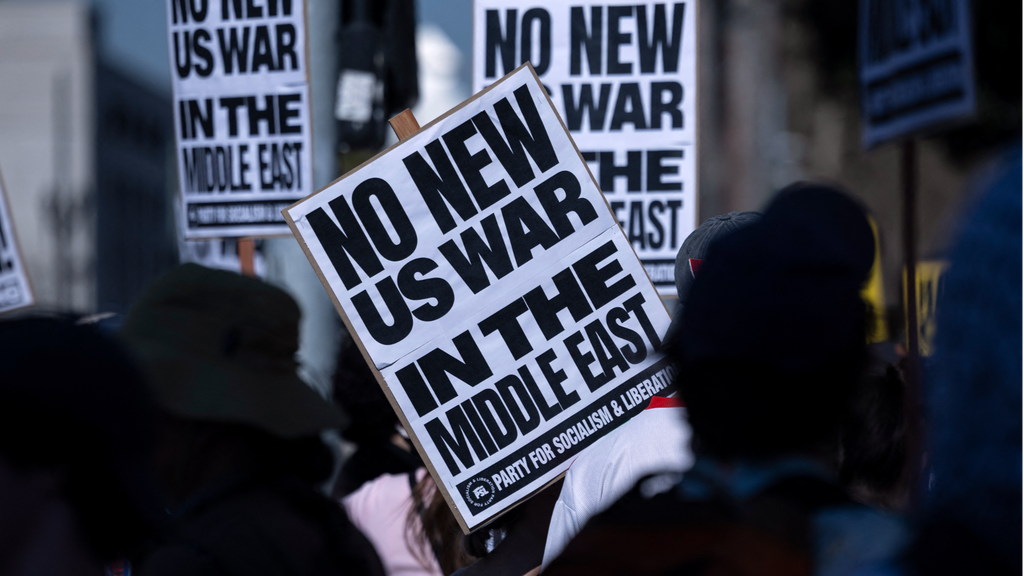
According to the Reuters/Ipsos poll, 80% of Americans believe that U.S. involvement in Iran “will go on for an extended period of time,” including 87% of Democrats and 71% of Republicans. Just 16% predicted that the war will probably finish in a few weeks.
Trump defends the high cost of gas.
One of Trump’s declared justifications for the conflict is that paying “a tiny little bit more for your gasoline” is worth the expense of preventing “a very evil country” from having a nuclear weapon. He made this claim on Friday during a political rally in Garden City, New York.
The president has alternated between claims that a peace agreement is about to be reached and threats of escalation throughout the crisis. According to the most recent Reuters/Ipsos poll, only half of Republicans and one in five Americans believe the war has been worthwhile.
Republicans are anxious about their chances of holding onto their narrow majority in the U.S. House of Representatives in the November 3 elections due to worries about the war and gas costs, and Democrats are beginning to believe that they can also win the U.S. Senate.
For the first time in almost ten years, voters see Democrats above Republicans as stronger economic stewards, according to a Reuters/Ipsos poll this month. According to the most recent survey, 38% of people believe Democrats will manage the economy better, while 35% favor the Republican strategy. Additionally, Democrats are thought to be more capable of controlling living expenses.
Throughout Trump’s presidency, the Republican stance on immigration has remained more popular than the Democratic one, despite a significant decline in border crossings and a persistent nationwide crackdown that Trump ordered. But despite fatal clashes and an increase of detainees, including minors, Republicans are losing ground.
According to the most recent Reuters/Ipsos poll, almost 40% of registered voters believe Republicans have a superior approach to immigration policy, compared to 38% who choose Democrats. The spread is at its lowest point under Trump’s presidency at two percentage points. In January 2025, Republicans had a 26-point advantage.
1,166 American people countrywide participated in the online Reuters/Ipsos survey, which had a 3 percentage point margin of error in either direction.